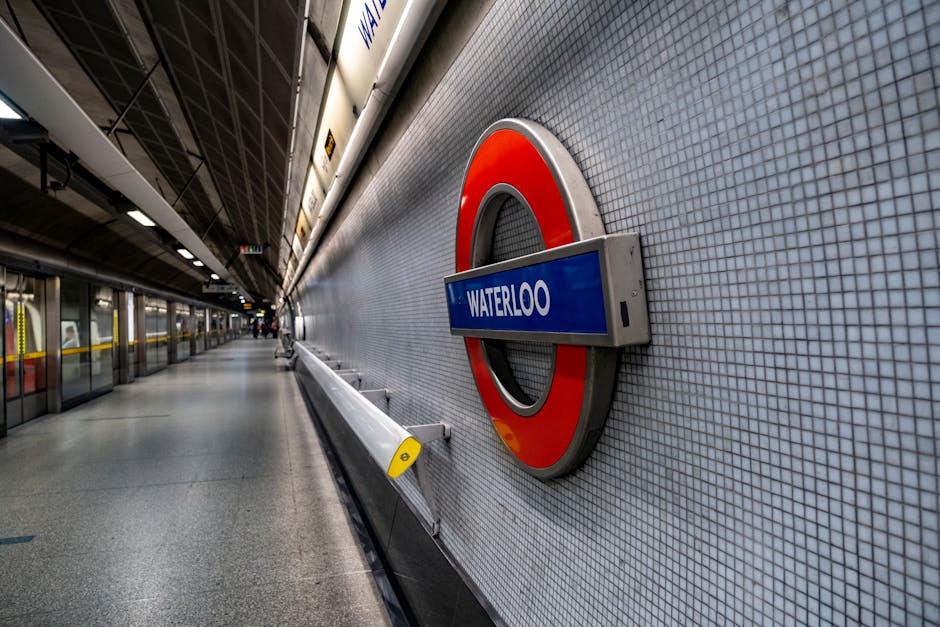
Waterloo Station Removals Guide for Tight Access Moves
If you are planning a move near Waterloo Station, you already know the problem: the streets are busy, the pavements can be awkward, and building access is often tighter than you expected. A Waterloo Station removals guide for tight access moves is not just about lifting boxes and loading a van. It is about timing, route planning, careful packing, and making sure the move actually fits the space you have. That might sound obvious, but in practice it is where most stress begins.
Whether you are moving from a flat above a shop, a converted building with a narrow stairwell, or a modern block with limited loading space, the difference between a smooth move and a miserable one usually comes down to preparation. This guide walks you through what matters, how tight access moves work, and what to do before moving day so the whole thing feels manageable. To be fair, Waterloo is one of those places where a little planning goes a very long way.
For readers who want a broader view of moving services as well as the access-specific side of things, you may also find the site's removal services and flat removals pages useful while you compare options.
Table of Contents
- Why Waterloo Station removals guide for tight access moves matters
- How Waterloo Station removals guide for tight access moves works
- Key benefits and practical advantages
- Who this is for and when it makes sense
- Step-by-step guidance
- Expert tips for better results
- Common mistakes to avoid
- Tools, resources and recommendations
- Law, compliance, standards, or best practice
- Options, methods, or comparison table
- Case study or real-world example
- Practical checklist
- Conclusion
- Frequently asked questions
Why Waterloo Station removals guide for tight access moves Matters
Waterloo is not a standard suburban move. It is a dense part of London where access can change block by block. A building may look straightforward from the outside, then you discover a narrow entrance, a long internal corridor, a lift that barely takes a trolley, or a loading point that cannot be used for long. That is why tight access moving needs a guide of its own.
When access is tight, the risks multiply quickly. Heavy furniture takes longer to move. Breakages become more likely. Delays can happen while the crew waits for a lift, a parking space, or a neighbour to clear a hallway. And if you are moving at peak times, the noise and traffic around the station can turn a small delay into a full-on headache. You know the sort of thing: one awkward turn, one low ceiling, and suddenly the sofa is not "just a sofa" anymore.
Good planning matters because the costs of getting it wrong are not only financial. There is the physical strain, the chance of damage to walls or belongings, and the simple frustration of watching the day run away from you. A tighter access move often benefits from smaller loads, careful sequencing, and the right vehicle choice. In many cases, the practical answer is less about muscle and more about method.
If you want a sense of how different move types are handled, the company's man and van and moving truck pages are useful comparisons. Not every move needs the same setup, and around Waterloo that distinction matters more than people think.
How Waterloo Station removals guide for tight access moves Works
A tight access move near Waterloo usually begins before any boxes are lifted. The first step is assessing the property and the route. That means checking stairs, lift size, doorway widths, ceiling height, hallway bends, any locked access points, and where the vehicle can stop safely. It is unglamorous work, but it saves a lot of trouble later.
From there, the move is broken into smaller decisions. Can bulky items be dismantled? Should fragile belongings be packed separately and loaded last? Is it better to use a smaller van with more trips, or a larger vehicle with a stricter loading plan? In some cases, the safest and fastest approach is to combine methods rather than forcing everything through one doorway in one go.
In practical terms, this is how it often unfolds:
- A pre-move assessment identifies the access limits.
- Items are grouped by size, weight, and fragility.
- Furniture is dismantled where sensible.
- Parking and loading arrangements are planned in advance.
- The crew prioritises the trickiest items first, before fatigue sets in.
- Goods are loaded with the route back in mind, not just the route out.
The best tight access removals are never improvised. They are choreographed a bit, even if it does not feel that way on the day. A couple of people carrying correctly, with the right trolley or blankets, can do far more than a rushed team with no plan.
For home and property moves, the related home moves and house removals pages can help you judge which style of service fits your situation. If your move is a bit more compact, removal van options may be the practical sweet spot.
Key Benefits and Practical Advantages
The obvious benefit of planning for tight access is that the move is less likely to go wrong. But there are a few more advantages worth spelling out, because they are the ones people often notice only afterwards.
- Less damage risk: Careful handling reduces knocks to door frames, bannisters, and furniture corners.
- Better time control: If access is mapped properly, the day runs more predictably.
- Lower physical strain: Smaller loads and smarter routes reduce pressure on the moving team.
- Improved packing decisions: When space is tight, you pack with purpose rather than panic.
- Fewer surprises: You are less likely to discover a lift is too small or a corridor is too narrow after the van has arrived.
There is also a psychological benefit, and this is no small thing. When a move feels organised, people make better decisions. They stop freezing over small problems. They ask the right questions sooner. The day feels like a process rather than a scramble. That matters, especially if you are moving from a busy Waterloo-area flat where the front door seems to open directly into a staircase. True story, that kind of detail changes everything.
For people moving office equipment or a mixed set of furniture, the service pages for office removals and furniture removals can help you think through load type and handling needs. The right approach for a desk move is not always the right approach for a wardrobe, and vice versa.
Expert summary: Tight access moves near Waterloo work best when you treat access as part of the move, not a separate problem. Measure first, pack smart, keep loads modular, and choose the vehicle and crew around the building, not the other way round.
Who This Is For and When It Makes Sense
This kind of guide is for anyone moving in or around Waterloo Station where access is not generous. That could mean a first-floor flat above a cafe, a top-floor apartment with narrow stairs, a live-work space, or a property where the vehicle cannot park right outside the entrance.
It also makes sense if you are moving something awkward rather than a whole household. A piano, a heavy wardrobe, a glass table, or multiple office chairs can all create the same access headaches as a full move. In those situations, a targeted plan is often better than trying to force a standard removal into a non-standard building.
Typical readers include:
- Tenants in central or near-station flats
- Homeowners with awkward internal layouts
- Students moving into or out of compact rooms
- Landlords arranging quick turnarounds
- Small businesses shifting equipment or stock
- People who only need a few items moved but have difficult access
If any of that sounds familiar, you are not overthinking it. Tight access is a real logistical issue. It is also one of the reasons people sometimes choose a same-day removals service for smaller, urgent jobs, especially when a building slot or parking window is very limited.
Step-by-Step Guidance
Here is the practical route I would suggest. Nothing fancy. Just the stuff that prevents day-of chaos.
1. Measure the access properly
Measure door widths, staircase turns, lift dimensions, ceiling heights, and any hallway bottlenecks. Do not rely on memory. A quick tape measure session can save an embarrassing amount of time later. If you have ever watched a sofa stop dead halfway through a doorway, you will know why this matters.
2. Photograph the tricky points
Take photos of entrances, stairs, lifts, and loading areas. Pictures help removal teams judge angles and whether dismantling is needed. They also help if you need to explain a complication quickly. One photo is often worth a five-minute explanation, especially on a busy morning.
3. Decide what can be dismantled
Large beds, tables, shelving, and some wardrobes are easier to move in pieces. Keep fittings in labelled bags. Put screws, bolts, and brackets together in a small container or taped pouch. That tiny bit of organisation saves a lot of swearing later, honestly.
4. Pack for movement, not just storage
Boxes should be manageable in weight, not just neat in shape. Small, dense boxes are safer in narrow stairs than oversized ones packed too full. If the building is awkward, it is better to have more medium boxes than a few impossible monsters. The same logic applies to wrapping fragile items separately.
5. Reserve loading space early
Parking and loading in central London can be the biggest hidden issue. Plan where the van will stop, how long it can stay there, and what happens if the space is taken. If you are not sure, ask the moving company how they usually manage stops in the Waterloo area. A crew that knows the neighbourhood tends to spot problems before they start.
6. Keep a clear path inside
On moving day, hallways should be clear of loose items, coats, shoes, bin bags, and random last-minute clutter. You would be surprised how often a move is slowed by the sort of thing that could have been moved in 30 seconds the night before.
7. Load the awkward pieces first, if needed
Sometimes the bulkiest items should go in before anything else, because they dictate the shape of the load. Other times the opposite is true. The right sequence depends on the van size, item shape, and what needs extra protection. This is where experience actually earns its keep.
8. Build in a little buffer time
With tight access, small delays are normal. That does not mean the move is failing. It just means the environment is doing what it does. Leave a buffer so nobody feels rushed if a lift is slow or a staircase requires extra care.
Expert Tips for Better Results
There are a few practical habits that make a real difference. Not glamorous, but effective.
- Use clear labels: Mark boxes by room and priority. In a compact property, this keeps unloading disciplined.
- Wrap corners first: The corners of furniture take the beating in tight spaces, not the flat surfaces.
- Keep essentials separate: Documents, chargers, keys, medication, and one kettle if you are feeling sensible.
- Protect the building as well as the items: Door-frame protectors, blankets, and floor covers can prevent costly marks.
- Talk through the route: Before lifting, agree which staircase or entrance to use and who is spotting corners.
One useful habit is to think like the item itself. If a chair or mattress has to make three turns and pass two narrow points, does it need to be carried upright, sideways, or dismantled? That simple mental check can prevent a lot of awkward repositioning halfway through the move.
If you are moving business equipment or coordinating a team move, the commercial moves and office relocation services pages are worth reviewing for a broader picture of planning and coordination. For box supply and packing support, packing and boxes and packing and unpacking services can help reduce the workload before the move even starts.
Common Mistakes to Avoid
Most tight access problems are preventable. The frustrating part is that they are usually preventable in very ordinary ways.
- Assuming "it will fit": Hope is not a measuring tool. Never has been.
- Ignoring the route from van to door: A perfect lift plan means little if the loading space is wrong.
- Overpacking boxes: Heavy boxes are dangerous on stairs and harder to position in tight spaces.
- Not checking furniture dimensions after assembly: Some pieces that were easy to bring in do not come back out easily.
- Forgetting building rules: Some blocks have set move times, lift booking procedures, or noise expectations.
- Leaving dismantling until the last minute: By then, the pressure is on and mistakes happen faster.
Another common issue is failing to tell everyone the truth about access. People sometimes downplay the awkward bits because they want the move to sound simple. But the awkward bits are the point. Say them out loud. That is how they get solved.
If you are moving student belongings or a small set of items into a compact building, the student removals service may be a better fit than a larger household move. And if the job is tiny but awkward, a man with van approach can sometimes be the neatest option.
Tools, Resources and Recommendations
You do not need a warehouse full of gear, but the right tools make tight access work far easier. A few basics usually earn their keep straight away.
- Measuring tape: For doors, lifts, stair gaps, and furniture dimensions.
- Furniture blankets: Helpful for protecting surfaces in tight stairwells.
- Straps and trolleys: Make lifting and steering safer, especially for heavier items.
- Label tape and markers: Simple, but essential for identifying boxes and parts.
- Zip bags for fixings: Keep screws and fittings attached to the right item.
- Floor protection: Useful in rented buildings where you want to avoid marks and awkward conversations.
On the planning side, a few service pages can help you decide the level of support you actually need. If you want a smaller vehicle and more flexible handling, look at removal van or man with a van. If you need more comprehensive support, removals and removal companies may be more appropriate starting points.
For items that need special care, such as upright instruments or awkwardly shaped furniture, the piano removals page is a good reminder that not every item should be treated like a box of books. Different objects need different handling. Seems obvious, but it is often forgotten.
Law, Compliance, Standards, or Best Practice
When a move involves tight access, compliance is less about paperwork theatre and more about doing the sensible things properly. In the UK, removal work should follow common-sense safety practice, careful lifting, appropriate vehicle use, and respect for building access rules. Where a building has its own procedures, those should be followed too.
From a practical best-practice point of view, this usually means:
- Using safe manual handling techniques
- Not blocking fire exits or shared corridors
- Checking whether lifts or loading bays need booking
- Making sure insurance expectations are understood before the job begins
- Keeping the move within agreed time windows where a building or managing agent requires that
It is also sensible to understand what happens if something is damaged, delayed, or disputed. That is one reason it helps to read the company's insurance and safety information alongside the terms and conditions. If you are booking online or paying a deposit, payment and security can also reassure you about the process.
For customers who are comparing providers, it is entirely reasonable to look for a company that explains its process clearly and shows awareness of risk. That is often a better sign than a flashy promise. A tidy, careful move beats a dramatic one every time.
Options, Methods, or Comparison Table
Choosing the right setup depends on item size, access limits, and how much help you need on the day. Here is a practical comparison.
| Option | Best for | Strengths | Limitations |
|---|---|---|---|
| Man and van | Smaller moves, single-room loads, flexible access | Quick, adaptable, often ideal for tight streets | Less suited to large household loads |
| Removal van | Compact but organised domestic moves | Good balance of space and manoeuvrability | May need careful load planning in very tight access |
| Moving truck | Larger moves with more items in one journey | Higher capacity, fewer trips | Can be awkward where streets and loading are restricted |
| Full removals service | Moves with furniture, packing, or multiple rooms | Broader support, better coordination | Usually more involved and not always needed for small jobs |
The right choice is not always the biggest vehicle. In Waterloo, a smaller and more manoeuvrable setup can be faster than a larger one that has to keep circling for access. That is one of those things people only learn once, usually the hard way.
For household moves that need more support, house removalists and house removals are useful service options to compare. If you are moving a few items with more flexibility, the man and van page may be the simpler route.
Case Study or Real-World Example
Picture a typical Waterloo-area flat move on a weekday morning. The property is on an upper floor, the staircase is narrow, and the entrance opens directly onto a shared hallway. There is no big loading bay outside, just a short window for stopping safely while the street is busy. Nothing dramatic, just enough friction to make the move annoying if nobody plans ahead.
In a case like that, the sensible approach is usually to split the move into manageable sections. The heaviest furniture gets dismantled first. Boxes are grouped by priority. Fragile items are moved separately. A smaller vehicle is chosen because it can position more easily, and the crew avoids wasting energy on a load that could have been organised differently from the start.
The result is not always faster in a straight-line sense, but it is smoother. Fewer jams at the stairs. Fewer scratched corners. Less standing around while someone tries to rotate a wardrobe through a turn that was never really going to work. The move feels calmer, and that is worth a lot on a day when your kettle is packed somewhere and you would quite like a cup of tea.
If storage is needed between stages, it can be worth considering storage rather than forcing everything into the final location at once. That option is especially useful when keys are delayed or the access window is too tight to do everything in one sweep.
Practical Checklist
Use this before moving day. Short list, but it catches the important bits.
- Measure every access point, including the narrowest turn
- Photograph stairs, lifts, hallways, and loading space
- Confirm whether furniture needs dismantling
- Pack boxes to a manageable weight
- Label boxes by room and priority
- Keep screws and fittings in marked bags
- Check parking, loading, and building rules
- Protect floors, doors, and corners
- Separate essentials for easy access on arrival
- Choose a vehicle size that fits the street, not just the volume of items
- Share all access issues early with the removals provider
- Allow extra time for tight stairs, lifts, or busy street conditions
Quick practical note: if a detail feels too small to mention, it probably is not. The "tiny" thing is often the one that slows the day down. Funny how that works.
Before you book, it can also help to look at the company's pricing and quotes approach so you understand how access complexity may affect the estimate. Clear pricing conversations tend to make everything feel less fraught.
Conclusion
A Waterloo Station removals guide for tight access moves is really a guide to staying calm under awkward conditions. The area is busy, the properties are varied, and the access is often less forgiving than you want it to be. But that does not mean the move has to be stressful. It means the move has to be planned properly.
When you measure the access, choose the right vehicle, pack with care, and make the route as simple as possible, the whole process becomes much more manageable. You will still need a bit of patience, of course. That is London. But with the right setup, the day feels orderly rather than chaotic, and that makes a big difference.
If you are comparing providers, keep an eye out for clear communication, sensible planning, and a realistic approach to access. Those are the signs that matter. The rest is just noise. And really, isn't the whole point to make moving day feel like a job completed well, not a battle survived?
Get a free quote today and see how much you can save.
Frequently Asked Questions
What makes a Waterloo Station move "tight access"?
A move counts as tight access when the property, street, or loading area creates extra difficulty. That usually means narrow stairs, small lifts, limited parking, awkward turns, or a long carry from vehicle to door.
Should I measure my furniture before booking removals?
Yes, absolutely. Measure the largest items, the narrowest access points, and any tricky turns. If something looks borderline, tell the removals provider early rather than waiting for moving day.
Is a man and van service enough for a tight access move?
Sometimes it is. For smaller loads or compact flats, a man and van or man with van setup can be ideal. For larger or more complex moves, a fuller removals service may be better.
Do tight access moves take longer than normal moves?
Usually, yes. The exact time depends on how awkward the access is, how much furniture needs dismantling, and whether parking is straightforward. A small buffer helps avoid unnecessary pressure.
What should I pack differently for a narrow staircase?
Use smaller boxes and keep them at manageable weight. Heavy, overfilled boxes are harder to carry safely and more likely to bump walls or banisters.
Can removals teams dismantle furniture before moving it?
Many can, and it is often the smartest approach for tight access. Beds, shelving, and some wardrobes are much easier to move in pieces than in one awkward lump.
What if the van cannot park outside the building?
That is common in central London. The move may need a shorter stop, a different vehicle size, or a planned carry route. It is important to discuss this before the move so nobody is caught out.
Are there special considerations for office or commercial moves near Waterloo?
Yes. Office moves often involve equipment, timing windows, lift bookings, and coordination with building management. The office removals and commercial moves pages are useful references.
What if I only have a few items but the access is awful?
That is exactly the kind of situation where careful planning matters. A small load can still be awkward if the stairs are tight or the vehicle access is limited. A compact vehicle and a careful handling plan may be the right fit.
Do I need storage if my Waterloo move is delayed?
Not always, but storage can be a very sensible backup if keys, access windows, or handover timing do not line up. It gives you breathing space rather than forcing a rushed decision.
How can I reduce the chance of damage in tight access areas?
Use protective wrapping, clear the route beforehand, dismantle large furniture where sensible, and avoid overloading boxes. Little things help a lot, especially around stair edges and door frames.
Where can I check the company's policies before booking?
It is sensible to review the company's health and safety policy, insurance and safety information, and terms and conditions before confirming the move.
What is the best first step if I am unsure about my access?
Take measurements and photos, then explain the access clearly when you ask for a quote. That one step usually saves time, money, and a lot of second-guessing later.